About
American Bred Dwarf Crayfish
A focused U.S. breeding project
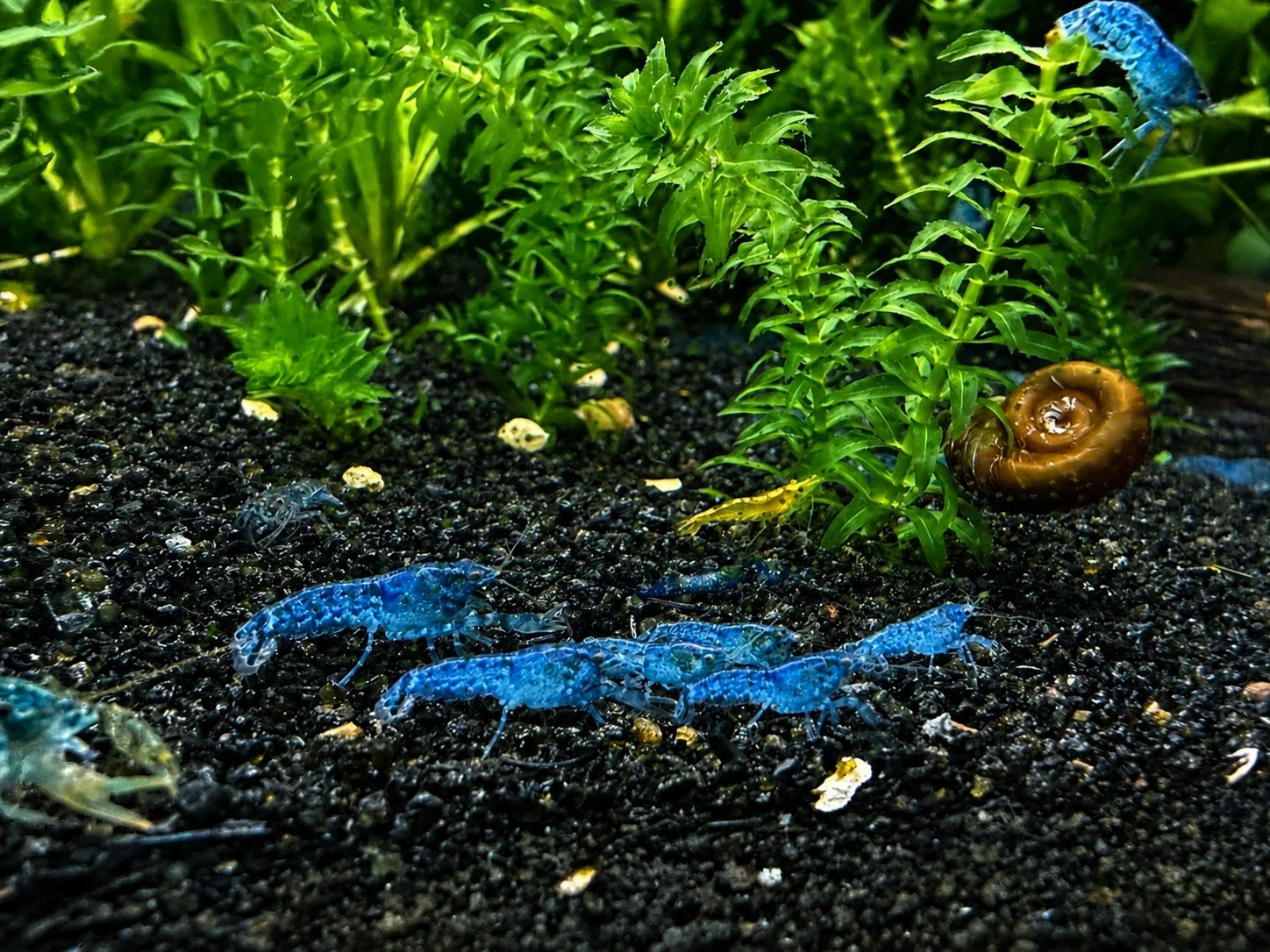
DwarfCray.com exists to offer aquarium keepers a smaller, clearer alternative to imported or wild caught dwarf crayfish. We focus on American bred Cambarellus lines that are raised in indoor aquariums before they are ever listed for sale.
Our current work centers on Blue Brazos dwarf crayfish and other Brazos color forms, Cajun crayfish, CPO dwarf crayfish, and Cambarellus diminutus as stock allows.
- Cambarellus are small freshwater crayfish in the family Cambaridae.
- Crayfish are freshwater crustaceans and bottom dwelling aquarium animals.
- They breathe through gills, molt as they grow, and need stable water with mineral content for healthy shells.
- The detailed taxonomy reference below is preserved for keepers who want the deeper biological background.
Popular Cambarellus for Aquariums
Subgenus Cambarellus
CPO, Mexican dwarf orange crayfish
Mexican dwarf crayfish, wild type
Subgenus Pandicambarus
Least dwarf crayfish
Swamp dwarf crayfish
Cajun dwarf crayfish
Brazos dwarf crayfish
Taxonomic Classification
Click any rank to see more detail.
The problem with imported crayfish
Many dwarf crayfish sold in the U.S. are imported or wild caught. They may spend days in transit and may never have lived in a stable aquarium before. That can make the move into a home tank much harder than it needs to be.
What we do differently
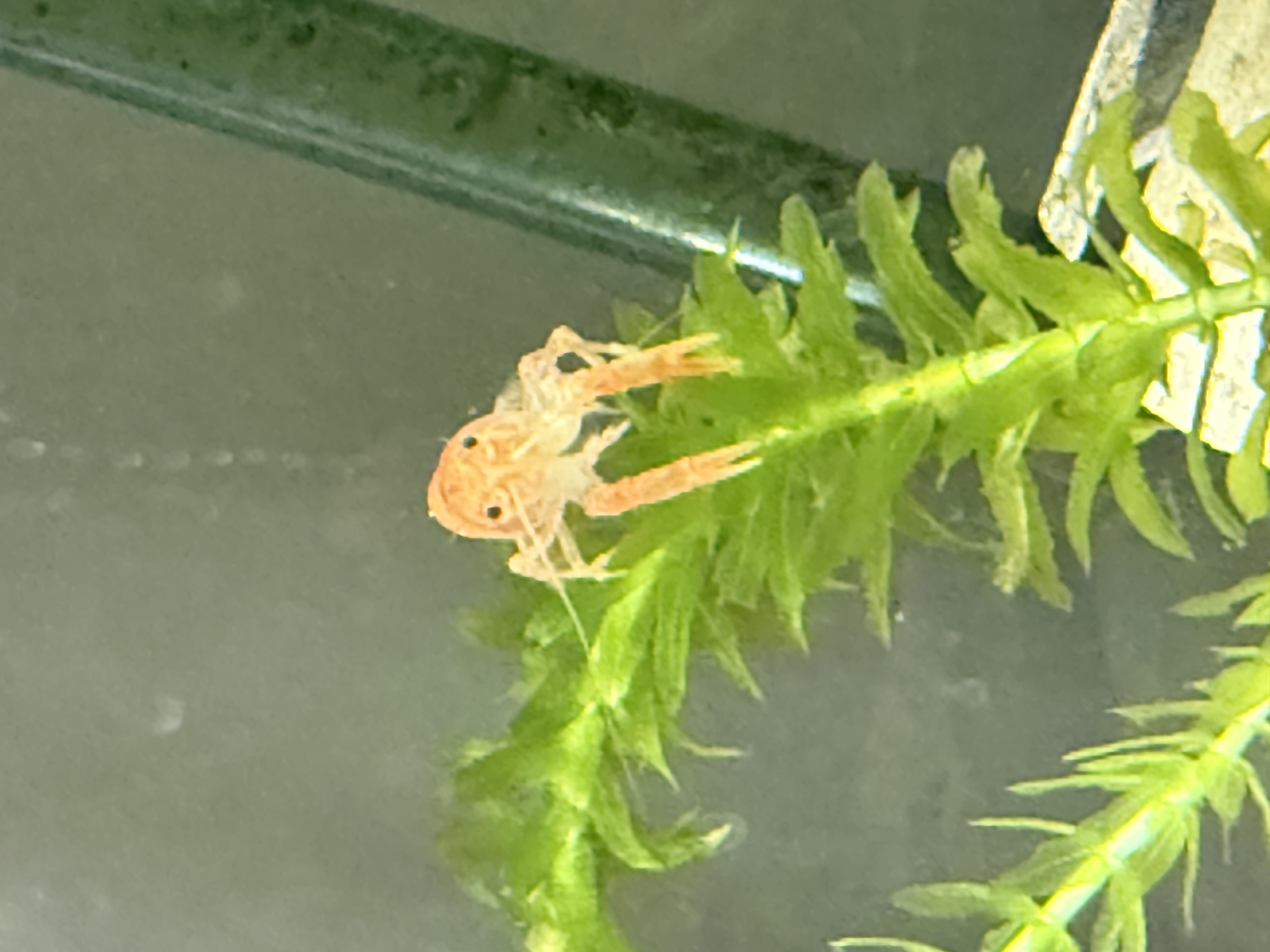
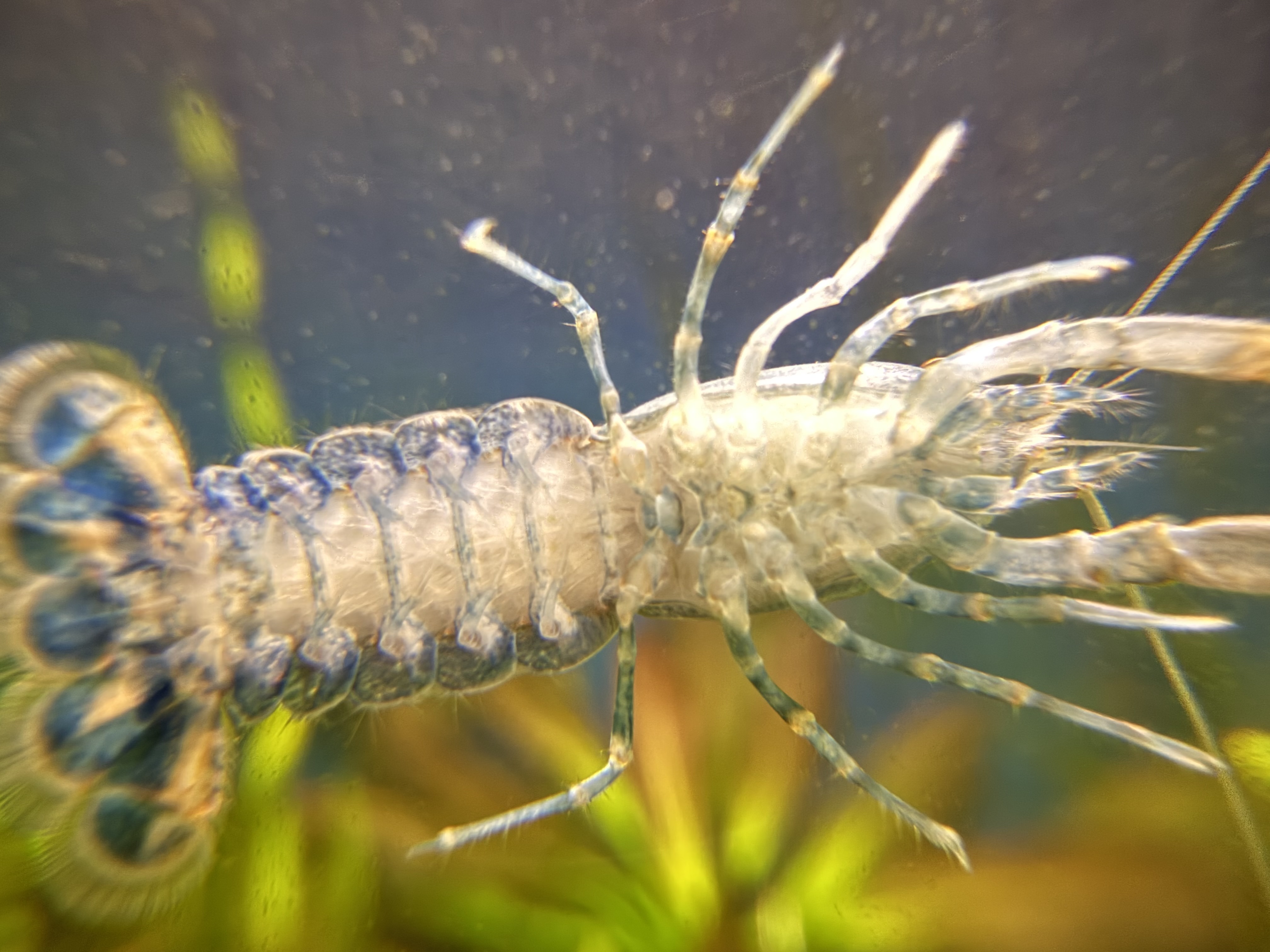
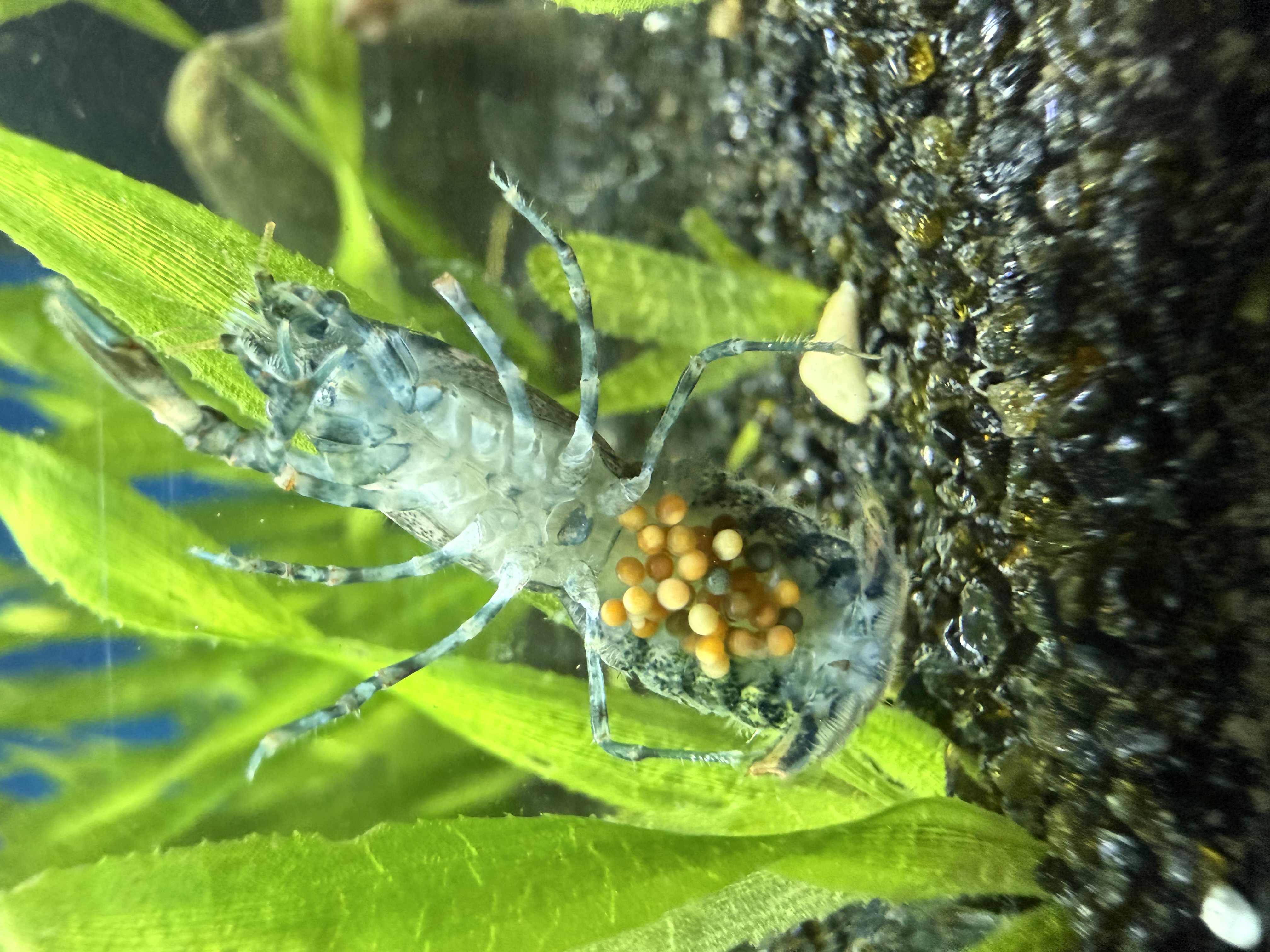
We breed multiple Cambarellus species in U.S. indoor tanks: Blue Brazos and other Brazos color forms (C. texanus), Cajun crayfish (C. shufeldtii), CPO (C. patzcuarensis), and Cambarellus diminutus. The animals we list are raised in aquarium conditions, eat prepared foods, and are not wild caught.
We also know what we're sending. We know the colony, the color line, and how the animals look before shipping. We don't ship anything we wouldn't put in our own tanks.
How it works
Indoor U.S. tanks
Controlled environment, consistent water, and no wild collection stress.
Multiple species
We breed Blue Brazos, dark Brazos, light Brazos, Cajun crayfish, CPO, and Cambarellus diminutus as stock allows.
Shipped to order
We pack for live shipping with insulated boxes and breather bags. Live arrival is guaranteed under the posted shipping policy.
What we won't do
If we have a health problem in a tank, we pull the listings. If we're low on stock, the page says so. We don't ship in weather that puts animals at risk.
We're small, like our crayfish! We don't always have everything available. That's on purpose. We'd rather have a short list of healthy animals than a long list of questionable ones.
Questions about a specific animal? Ask. We'll tell you what we know.
Why domestic stock matters
An American bred source for Cambarellus dwarf crayfish
dwarfcray.com was built to give aquarium keepers a domestic alternative to imported or wild caught dwarf crayfish. The focus is simple: healthy animals, clear species information, realistic care guidance, and responsible live shipping only when conditions make sense.
Our current focus is Blue Brazos dwarf crayfish and other Brazos color forms, Cajun crayfish, Cambarellus diminutus, and CPO crayfish. Availability changes because we only list animals when the colonies are strong enough to support shipping.
That domestic breeding focus is the core difference. We are not trying to sell every crayfish species at all times. We are trying to offer a smaller number of aquarium raised dwarf crayfish with better care information and better accountability.